Bulgaria has taken a decisive step in its European integration: the euro is now the country’s official currency. What this change means goes beyond exchange rates and price labels – it affects travel, events, administration and how people move across Europe. The GT spoke with Gorgi Ivanov, PR and Fundraiser of AEGEE-Sofia, about his personal experiences and the impact on AEGEE activities.
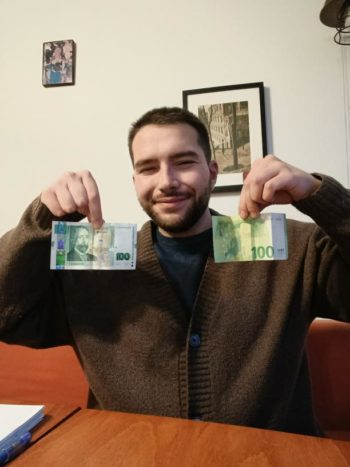
GT: What do you personally expect from the euro introduction in Bulgaria?
Gorgi: We are really excited about the euro. What we expect in the short term, unfortunately, is higher inflation due to businesses and markets converting prices, and currently, especially with the collapse of the government, we fear that the regulatory organs and mechanisms responsible for monitoring the market won’t be able to qualitatively carry out their job and sanction bad practices. In the long run, however, we think that the change of currency to the euro will welcome more foreign investments into the country and will facilitate tourism. Also, we believe that with increased supervision by the ECB, there would be fewer shady practices in the financial department carried out by government officials.
How will it affect your personal and AEGEE life?
In regard to how it will affect us, currently all civil society organisations have no obligation to submit any supplementary documents to the Registry Agency with converted prices for initial founding documents and initial donations, so in that respect we are quite privileged. We expect people to want to join our events even more now that most of us use the same currency, and this will hence facilitate the whole event! No more searching for exchange offices at the last second.
What does it mean for your antenna?
For our antenna, if we speak more globally, it means even further and deeper European integration. If we speak as friends, it means more opportunities and more people joining our events.
Did you already convert all your leva into euro?
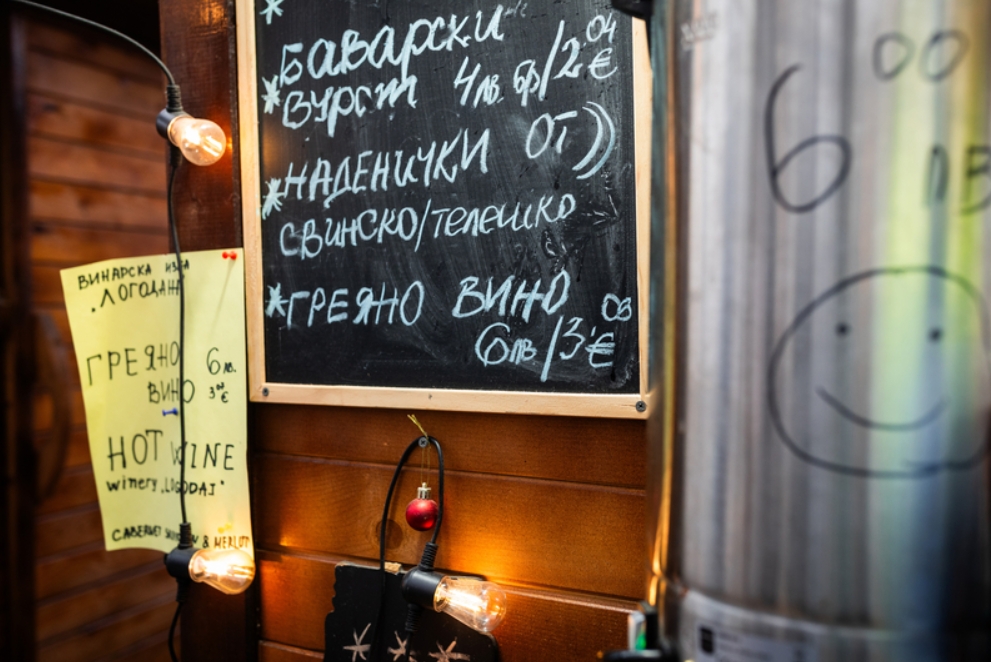
No, I did not convert all of my money to euro, because until the end of January you can still pay both in euros and lev, but businesses or markets can only give you change in euro, unless they have absolutely zero euros in their cash register, and only then can they, by exception, return lev. After January, you can only go and exchange your lev for euros, and until I think June or the end of the year you can exchange them at the fixed exchange rate of 1.95583 lev for 1 euro. Until August, prices will be showcased in both currencies, so people and tourists can adjust and double-check if the price is fine. Some people started converting their lev in the previous two weeks because they were scared of losing all of their savings, but that was a really bad financial move, because from today the exchange rate is fixed, while until yesterday exchange offices were allowed to give their own exchange rates and take a fee for the conversion, which is now no longer allowed.
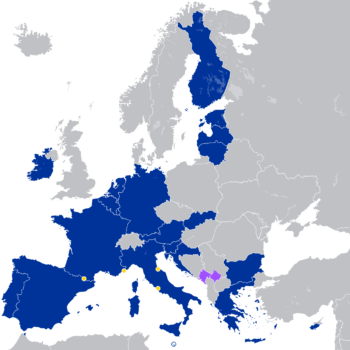
So how did it feel for you to travel across Europe without the euro – or did you always take euros with you?
I always had some euro cash with me, but it was never a big hassle. Especially with Revolut, I always had a separate euro pocket that I used when I travel.
Indeed, most people will pay by card anyway. Still, probably it will be easier for participants, because they understand the prices better.
First, that, and second, at all of our events there has been a place – either a restaurant in a small town, a museum, or an activity – that doesn’t have card payment, only cash. The participants were a lot of times required to ask money from us or run to a nearby exchange office. Now, with the euro, this will save us some of those logistical hurdles.
Pictures: ECB, private